Machining Center
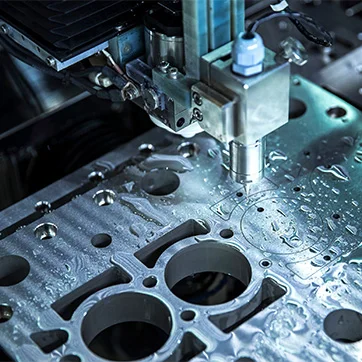
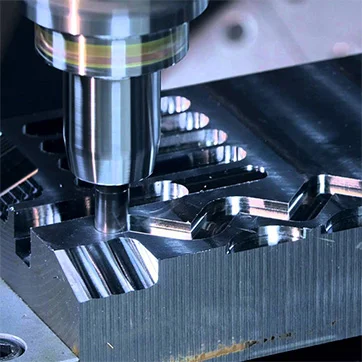
A machining center refers to a machine tool with automatic tool-changing capability that performs multi-operation machining after the workpiece is clamped once.
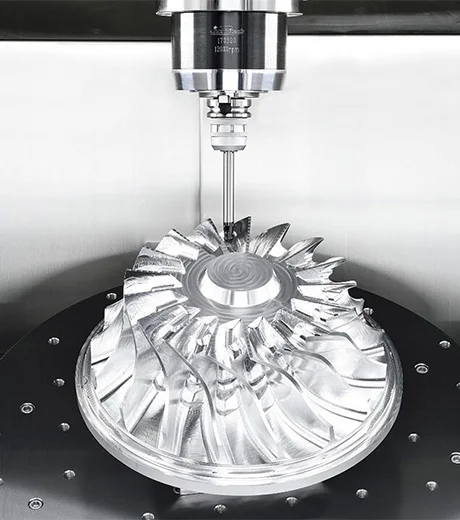
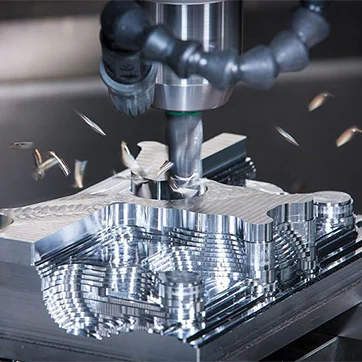
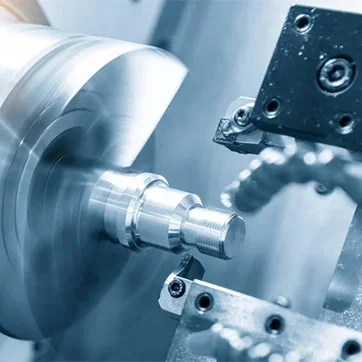
CNC machining center is the general name given to machines that bring chip-removal manufacturing technologies together and can automate all of them. With CNC machining centers, we can apply different chip-removal manufacturing methods with very high precision and speed.
CNC machining centers have many advantages. One of the biggest advantages is preventing time loss and enabling serial production. Setup time on a CNC machining center is also very short.
It also provides an advantage in storage because it requires less space. After changes to be made on the part are entered into the relevant section of the program, serial production can be carried out.
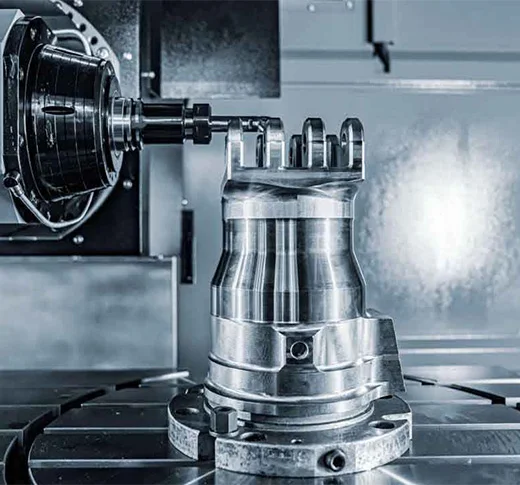
Types of CNC Machining Centers
Machining centers are generally distinguished as horizontal, vertical, and universal machining centers according to the relative position of the spindle and the work table.
Horizontal Machining Center: Refers to the machining center cluster where the spindle axis and work table are parallel, suitable mainly for machining box-type parts.
Vertical Machining Center: One of the most typical and standard machining machines used in the manufacturing industry. Suitable for machining plate-type, disc-type, mould, and small thin-walled complex parts.
Universal Machining Center: A multi-processor axis linkage type machining center. Suitable for machining blades, moulds, cutting tools, and other workpieces with complex spatial surfaces.
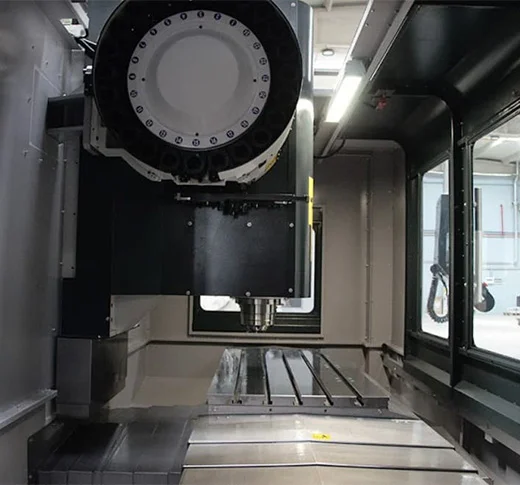
Vertical Machining Center
Refers to the vertical arrangement of the spindle axis and table of the machining center, mainly for machining plate-type, disc-type, mould, and small thin-walled complex parts.
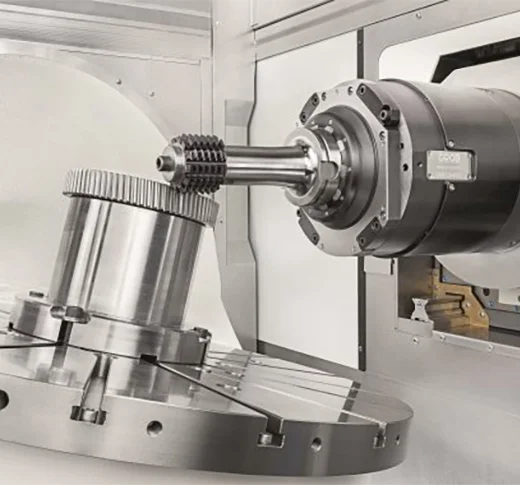
Universal Machining Center
A multi-processor axis linkage type machining center. They are versatile and flexible among milling machines because they have vertical and horizontal milling spindles and can be extended in many ways.