CNC Turning
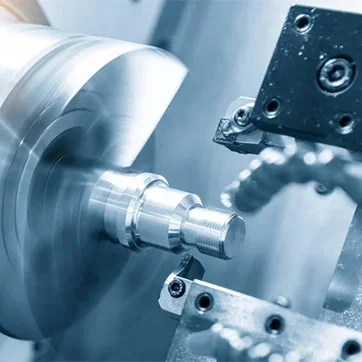
CNC turning is a process used to manufacture parts using a CNC (Computer Numerical Control) machine.
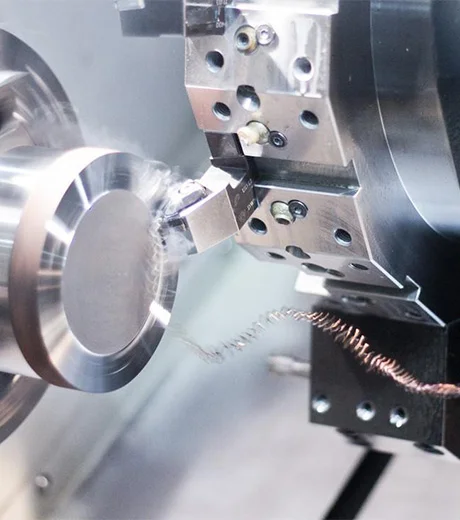
CNC lathes can be programmed to machine the surface of a rotating part using specific cutting tools. CNC machining machines are incredibly precise machines. They have the ability to cut with precision down to the width of a human hair (0.003 mm).
The process begins with creating a part design. First, a three-dimensional part design is created using CAD (Computer-Aided Design) software. This design is then converted into a CNC program using CAM (Computer-Aided Manufacturing) software.
During the turning process, the part moves along a specific path with headstock lines and subsequent final tools. Cutting tools cut and shape the material on the part so that it has the desired dimensions, shape, and surface roughness.
What types of operations can be performed?
CNC turning can be applied to many different materials such as metal, plastic, wood, and composites. Turning is particularly suitable for production with precise tolerance requirements and is used in serial production.
The following operations can be performed on CNC lathes: Cylindrical turning, Profile turning, Face turning, Grooving, Thread cutting, Drilling, Tapping, Reaming, Boring, Internal grooving, Face grooving, Knurling, Curvature and chamfer operations, etc.