A comprehensive introductory guide to the operating principle, components, and role of hydraulic cylinders in industrial applications.
Definition of a Hydraulic Cylinder
A hydraulic cylinder is a fundamental hydraulic circuit component that converts fluid pressure into linear motion and force. Pressurised hydraulic oil produced by the pump acts on the piston surface inside the cylinder, causing the piston rod to move forward or backward.
Used across a wide range of applications from construction machinery to agricultural tractors, from press systems to ship ramps, hydraulic cylinders are indispensable parts of industrial production thanks to their high force generation capacity.
Basic Components
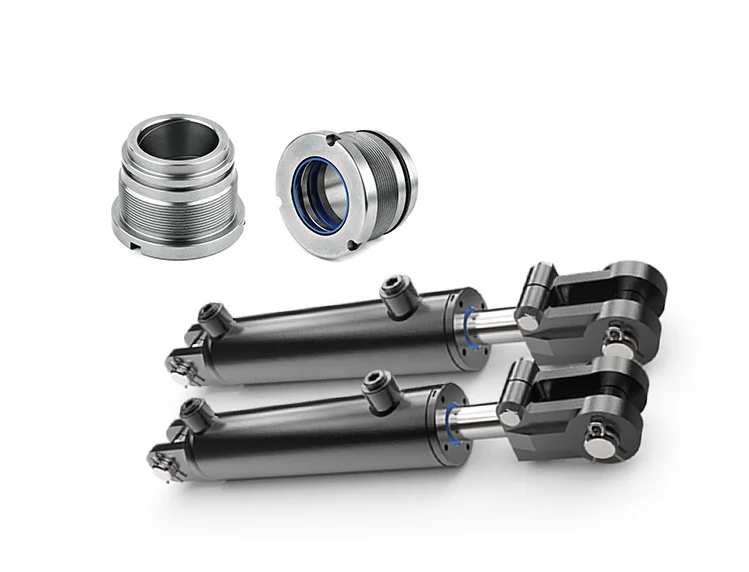
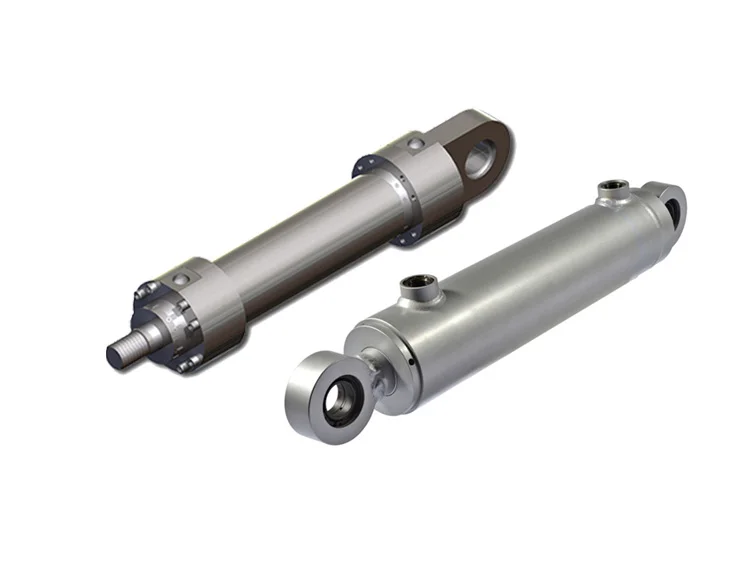
A hydraulic cylinder consists of a cylinder body (tube), piston, piston rod, sealing elements (gasket, wiper, O-ring), and connection ends. The body is generally made from honed steel tube, and the piston rod from hardened, chrome-plated steel.
The sealing system prevents oil leakage under high pressure while keeping the piston rod protected from external contamination. Connection ends enable mounting of the cylinder to the machine or moving part.
Operating Principle
When oil is sent into the cylinder chamber through single-acting or double-acting valves, the piston moves. In single-acting cylinders, oil applies pressure in only one direction and return is usually provided by a spring or gravity. In double-acting cylinders, hydraulic force can be applied in both directions.
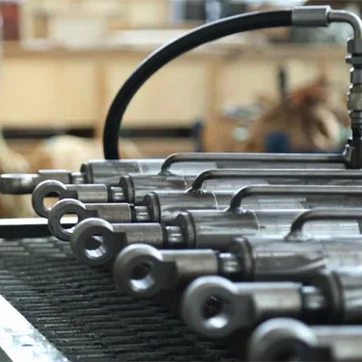
Stroke length, bore diameter, working pressure, and environmental conditions are critical parameters in cylinder selection. At AHYD Parts, we manufacture custom and standard cylinders suited to these parameters.